
Is There Really a Mermaid Legend in Greece?
Thessalonike, the Gorgona of the Aegean
Updated July 31, 2026 · 3 min read
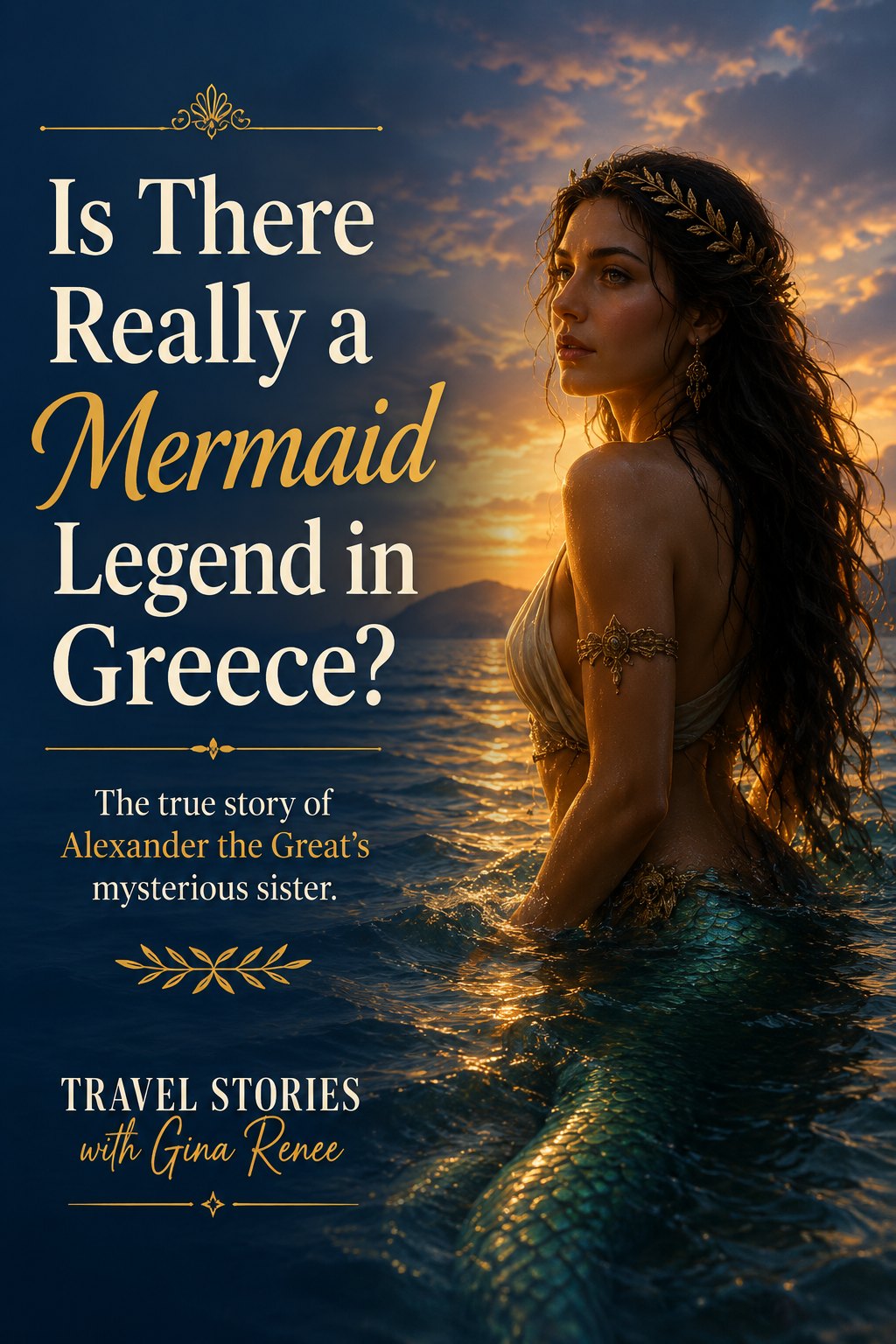
The short answer: Yes. Greek folklore tells of Thessalonike — the historical half-sister of Alexander the Great — who became an immortal mermaid, or gorgóna, after his death.
Who was Thessalonike?
Thessalonike was a real Macedonian princess, daughter of King Philip II and half-sister of Alexander the Great. The Greek city of Thessaloniki is named for her. Historically, she lived a politically difficult life and was killed by her own son — there is no evidence she became a mermaid.
How does the legend go?
In folklore, Alexander sought a spring holding the water of immortality. Versions differ on how the water reached Thessalonike, but all agree she could no longer die. After Alexander's death she walked into the sea to end her life; unable to die, she was transformed into a Gorgona instead.
The sailors' question
For centuries, sailors crossing the Aegean and Black Sea said she would rise beside their ships and ask, "Is King Alexander alive?" The one correct answer was, "He lives and reigns, and conquers the world." Answer correctly and the sea went calm; answer wrong and the storm rose.
Where to experience it
Where: The Aegean Sea, with the legend tied closely to Thessaloniki, Greece's second-largest city.
Best time to go: Late spring or early fall — warm weather, fewer crowds, and calmer winds than high summer.
Getting there: Fly into Thessaloniki International Airport (SKG), or arrive by sea on an Aegean cruise itinerary.
Good to know: In modern Greek, gorgóna means mermaid — the same word used for Thessalonike in the legend.